But wait—there’s more to watch for.
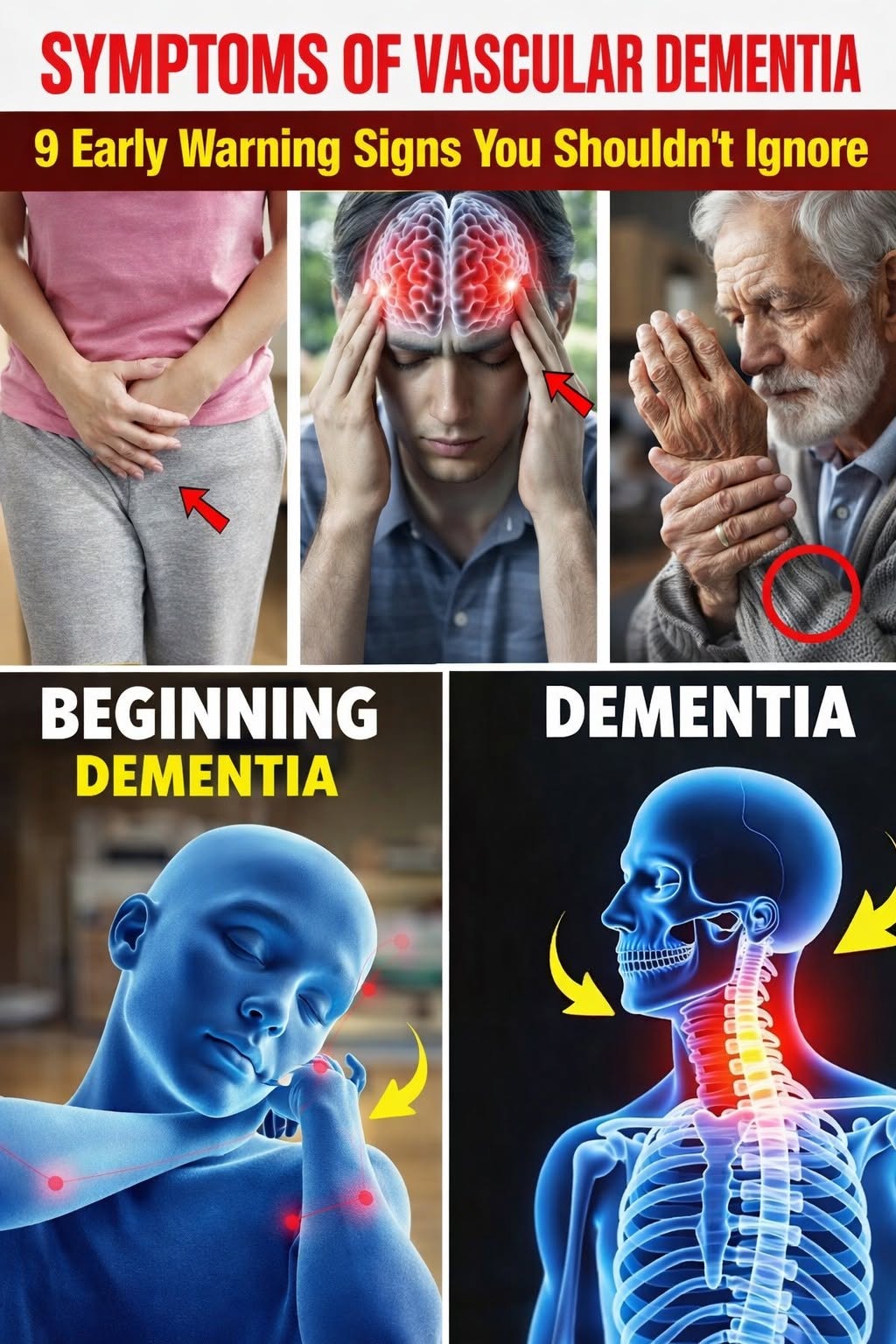
4. Mood and Personality Changes
Irritability, apathy, or sudden low mood can emerge without clear reason. Depression-like symptoms are particularly common, as reduced brain blood flow impacts emotional regulation areas. Loved ones often notice the person seems withdrawn, less interested in hobbies, or unusually anxious.
5. Problems Finding the Right Words
Struggling to recall common words or names happens occasionally to everyone, but in vascular dementia, it may occur more often during speech. You might pause frequently, use the wrong word, or describe objects instead of naming them. This differs from Alzheimer’s, where word-finding issues pair heavily with memory gaps.
6. Mild Memory Issues (Often Not the First or Worst Symptom)
While memory problems can occur, they’re usually less prominent early on compared to other dementias. Short-term forgetfulness—like misplacing keys or forgetting recent conversations—might appear, but planning and focus troubles tend to stand out more.
7. Unsteady Walking or Balance Problems
Physical changes like a slightly unsteady gait, trouble with coordination, or frequent near-falls can signal vascular issues affecting motor areas. Some people experience weakness or numbness on one side if linked to past small strokes.
8. Trouble with Daily Tasks and Decision-Making
Everyday activities start feeling overwhelming: paying bills on time, driving familiar routes without getting lost, or making simple choices. Judgment may slip subtly, leading to unusual decisions.
9. Sudden Onset or Stepwise Worsening
Unlike gradual decline in some dementias, vascular symptoms can worsen abruptly after a health event (like a stroke) and then stabilize for a while before declining again. This “stepwise” pattern is a key clue.
Here’s a quick comparison to help spot differences: