White vinegar
White vinegar contains acetic acid.
Acid sprayed directly on leaves damages plant tissues and removes moisture from surface cells.
As a result, the weeds begin to wither and dry out.
Table salt
Salt is one of the strongest ingredients in the mixture.
It works by drawing water from plant cells through a process called osmosis.
Without enough water, the plant struggles to survive.
However, salt should be used very carefully as it can also damage the soil.
Citric acid
Citric acid provides extra acidity that helps weaken plant tissues.
When combined with vinegar, it creates a stronger contact effect on exposed leaves.
Dishwashing detergent
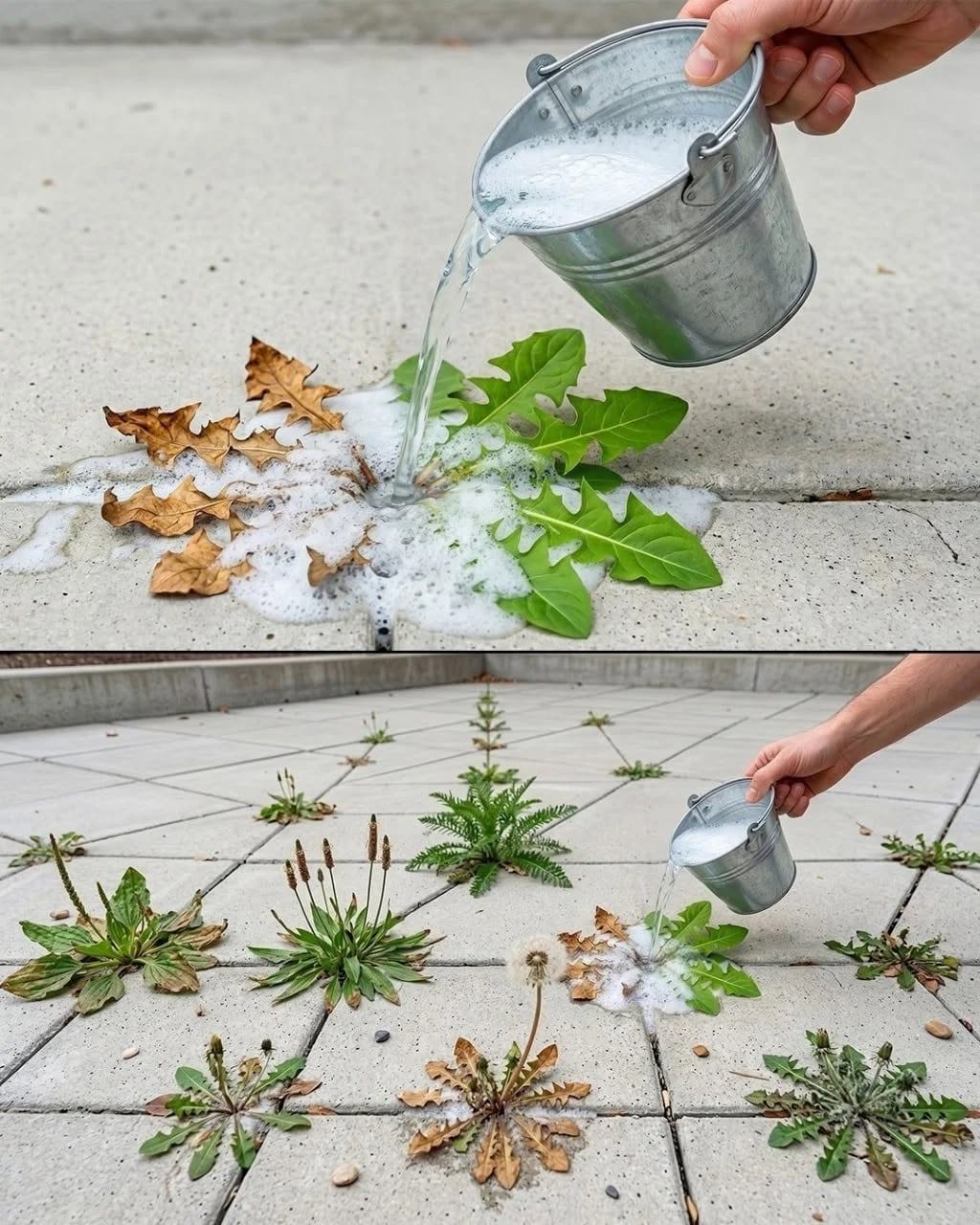
The plant's leaves are naturally covered with a waxy coating that repels water.
Dishwashing detergent helps break this surface tension.
This causes the vinegar and citric acid solution to stick to the weeds instead of running off.
What this herbicide can and cannot do
Many people expect home-use herbicides to work exactly the same way as commercial systemic herbicides.
This is usually not the case.
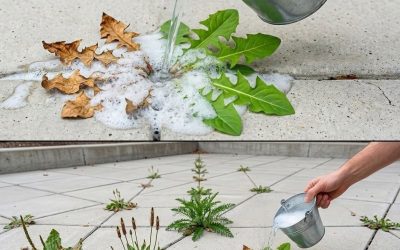
This mixture primarily acts as a contact herbicide .
It damages parts of the plant that it comes into direct contact with.
The leaves often wilt within a few hours and may appear completely dead after a day or two.
However, deep roots can survive.
When it comes to perennial weeds, it can sometimes take several weeks for new growth to appear.
Multiple treatment methods may be necessary.