3. Genetics and Ethnicity
Your ancestry plays a significant role in hair growth patterns. Women with Mediterranean, Middle Eastern, South Asian, or Latin American heritage often have naturally higher androgen sensitivity or more active hair follicles.
If your mother, grandmother, or aunt had chin hair, you're more likely to as well. This isn't a "problem" to fix—it's simply your genetic blueprint expressing itself.
4. Medications and Supplements
Certain medications can trigger facial hair growth as a side effect:
Corticosteroids (like prednisone)
Minoxidil (used for hair loss)
Testosterone or DHEA supplements
Some anti-seizure or immunosuppressant drugs
If you started a new medication around the time chin hair appeared, mention it to your provider.
5. Insulin Resistance and Metabolic Health
Insulin resistance—often linked to PCOS, prediabetes, or metabolic syndrome—can increase androgen production. High insulin levels signal the ovaries to produce more testosterone, which may stimulate facial hair growth.
6. Stress and Cortisol
Chronic stress elevates cortisol, which can disrupt the delicate balance between estrogen and androgens. While stress alone rarely causes significant chin hair, it can amplify other underlying factors.
7. Rare Endocrine Conditions
In uncommon cases, chin hair may signal:
**Congenital adrenal hyperplasia **(CAH)
Cushing's syndrome
Androgen-secreting tumors (very rare)
These conditions usually present with multiple symptoms beyond facial hair.
🚩 What Your Body Might Be Telling You: When to Pay Attention
A single chin hair is usually harmless. But certain patterns warrant a closer look.
✅ Likely Normal (No Action Needed)
One or two isolated chin hairs that appear occasionally
Hair that's fine, light, or easily managed
Family history of similar hair growth
Hair that appears gradually with age (40s+)
⚠️ Consider Talking to a Doctor If You Notice:
Symptom Pattern
Possible Concern
Sudden, rapid growth of coarse, dark facial hair
Hormonal imbalance; PCOS; medication side effect
Hair in "male-pattern" areas: chin, upper lip, chest, abdomen
Hirsutism; possible androgen excess
Irregular or absent periods + chin hair
PCOS; thyroid issues; hypothalamic dysfunction
Acne, oily skin, or scalp hair thinning alongside chin hair
Androgen-related conditions
Unexplained weight gain, fatigue, or mood changes
Metabolic or endocrine disorder
Deepening voice, increased muscle mass, or clitoral enlargement
Rare but serious androgen excess—seek prompt evaluation
🩺 Bottom line: If chin hair is new, persistent, or accompanied by other changes, a conversation with your healthcare provider can provide clarity and peace of mind.
🪒 How to Manage Chin Hair: Options, Pros, and Cons
Whether you choose to remove chin hair is entirely personal. If you do, here are evidence-based options to consider:
Temporary Removal Methods
Method
How It Works
Pros
Cons
Best For
Tweezing
Plucks hair from root
Precise; inexpensive; immediate results
Can be painful; risk of ingrown hairs; regrowth in 1–3 weeks
Occasional stray hairs
Threading
Twisted cotton thread removes hair at root
Precise; no chemicals; smooth results
Requires skill; can be uncomfortable; regrowth in 2–4 weeks
Upper lip, chin, eyebrows
Waxing
Warm wax pulls hair from root
Smooth results; lasts 3–6 weeks
Can irritate skin; risk of burns or ingrowns; not ideal for sensitive skin
Larger areas; thicker hair
Depilatory creams
Chemicals dissolve hair at surface
Painless; quick; inexpensive
Strong odor; risk of chemical irritation; results last 3–7 days
Sensitive skin (patch test first)
Shaving
Razor cuts hair at skin surface
Fast; painless; inexpensive
Stubble regrows quickly; may feel coarse; risk of nicks
Quick touch-ups; not ideal for coarse chin hair
Longer-Term Solutions
Method
How It Works
Pros
Cons
Considerations
Laser hair removal
Light targets pigment in hair follicle to inhibit growth
Long-lasting reduction; precise; works well on dark hair/light skin
Multiple sessions needed; expensive; less effective on light hair/dark skin; requires maintenance
Best performed by licensed professional; not for all skin/hair types
Electrolysis
Tiny needle delivers electric current to destroy follicle
Permanent results; works on all hair/skin types
Time-consuming; can be uncomfortable; requires multiple sessions; costly
Only FDA-approved method for permanent hair removal
Prescription creams (e.g., eflornithine)
Slows hair growth at follicle level
Non-invasive; can complement other methods
Requires ongoing use; modest results; may cause skin irritation
Prescription required; works best combined with removal methods
💡 Pro Tips for Safe, Comfortable Removal
✅ Cleanse first: Wash skin with gentle cleanser to reduce infection risk
✅ Exfoliate gently: 1–2x/week to prevent ingrown hairs (avoid right after removal)
✅ Soothe aftercare: Apply aloe vera or fragrance-free moisturizer post-removal
✅ Sun protection: Treated skin is more sensitive to UV damage—use SPF 30+
✅ Patch test: Always test new products or methods on a small area first
✅ Avoid picking: Don't dig at ingrown hairs; use warm compresses and gentle exfoliation instead
🌿 Natural Approaches: What Actually Works (And What Doesn't)
Many "natural remedies" circulate online. Let's separate hope from evidence.
Approaches with Some Supportive Evidence
Method
What Research Suggests
Practical Guidance
Spearmint tea
Small studies suggest anti-androgen effects; may modestly reduce hirsutism in PCOS
1–2 cups daily; discuss with provider if on medications
Weight management
For those with insulin resistance/PCOS, modest weight loss can lower androgens
Focus on sustainable habits, not restriction
Stress reduction
Lower cortisol may support hormonal balance
Try mindfulness, yoga, or breathing exercises
Balanced nutrition
Adequate protein, healthy fats, and fiber support hormone metabolism
Prioritize whole foods; limit ultra-processed items
Approaches Lacking Strong Evidence
❌ Topical turmeric/chickpea flour masks: No robust data showing hair reduction; may irritate skin
❌ "Hormone-balancing" supplements: Many are unregulated; some may worsen imbalances
❌ Essential oil applications: Risk of irritation; minimal evidence for hair reduction
❌ Extreme diets or detoxes: Can disrupt hormones further; not sustainable
⚠️ Important: Never start supplements or major dietary changes for hormonal concerns without consulting a healthcare provider.
🩺 When to See a Doctor: A Simple Checklist
Consider scheduling an appointment if:
🔹 Chin hair appeared suddenly or is rapidly increasing
🔹 You have other symptoms: irregular periods, acne, scalp hair loss, weight changes
🔹 Hair growth follows a "male pattern" (chin, chest, abdomen, inner thighs)
🔹 Over-the-counter removal methods aren't working or cause irritation
🔹 You feel anxious, self-conscious, or distressed about the hair
What to Expect at the Appointment
Your provider may:
Review your medical history, medications, and family history
Perform a physical exam (including a Ferriman-Gallwey score to assess hair distribution)
Order blood tests: testosterone, DHEA-S, thyroid panel, fasting glucose/insulin, prolactin
Discuss imaging (like pelvic ultrasound) if PCOS is suspected
Offer treatment options: lifestyle guidance, medications (like spironolactone or birth control), or referral to endocrinology/dermatology
💙 Remember: Seeking help isn't admitting defeat. It's advocating for your health and well-being.
❓ FAQs: Your Chin Hair Questions, Answered
Q: Does plucking chin hair make it grow back thicker?
A: No. Plucking doesn't change the follicle's genetics. Hair may feel coarser as it regrows because the tip is blunt, not tapered—but the follicle itself isn't altered.
Q: Can birth control help reduce chin hair?
A: Yes, for some. Combined oral contraceptives can lower androgen activity and improve hirsutism, especially in PCOS. Discuss options with your gynecologist.
Q: Is chin hair a sign of high testosterone?
A: Not necessarily. Many women with chin hair have normal testosterone levels. Sensitivity of hair follicles to androgens matters as much as hormone levels.
Q: Can I prevent chin hair from coming back?
A: You can't change genetics or aging, but managing underlying conditions (like PCOS or insulin resistance) may slow progression. Permanent removal requires laser or electrolysis.
Q: Does shaving chin hair make it grow faster?
A: No. Shaving cuts hair at the surface; it doesn't affect growth rate, thickness, or color. Regrowth may feel stubbly because the tip is blunt.
Q: Are there creams that permanently stop chin hair?
A: No over-the-counter cream permanently removes hair. Prescription eflornithine (Vaniqa) slows growth but doesn't eliminate hair. Permanent removal requires laser or electrolysis.
Q: Can stress cause chin hair?
A: Chronic stress can disrupt hormone balance, potentially amplifying existing tendencies—but it rarely causes significant chin hair on its own.
Q: Is it okay to just leave chin hair alone?
A: Absolutely. If it doesn't bother you, there's no medical need to remove it. Body hair is natural. Your choice is valid.
💙 A Compassionate Closing Thought
If you're reading this because you just plucked your third chin hair this week and felt a pang of frustration, shame, or confusion—I see you.
Our culture sends loud, conflicting messages: Be natural! But also be smooth. Embrace your body! But also remove every "imperfection." It's exhausting.
Please know this:
✨ Chin hair is not a moral failing. It's biology.
✨ You don't owe anyone hairlessness. Your body, your choice.
✨ Seeking help isn't weakness. It's wisdom.
✨ You are not broken. You are human.
Whether you choose to remove the hair, treat an underlying condition, or simply let it be—your decision is valid. What matters most is that you feel informed, empowered, and kind to yourself in the process.
🧭 The Bottom Line
Chin whiskers on women are common, natural, and usually harmless—but they can sometimes signal hormonal shifts worth exploring.
Remember:
🔬 Hair growth reflects a balance of hormones, genetics, age, and health
🚩 Sudden, persistent, or patterned hair growth + other symptoms warrants medical evaluation
🪒 Removal options range from tweezing to laser—choose what feels right for you
💙 Your worth isn't tied to hairlessness. Compassion for yourself is the most powerful tool you have
So the next time you spot that single chin hair, pause. Breathe. And ask yourself: What do I need right now? Information? Reassurance? A gentle removal method? A doctor's visit? Or simply permission to let it be?
However you choose to respond, may it come from a place of care—not criticism.
You've got this.
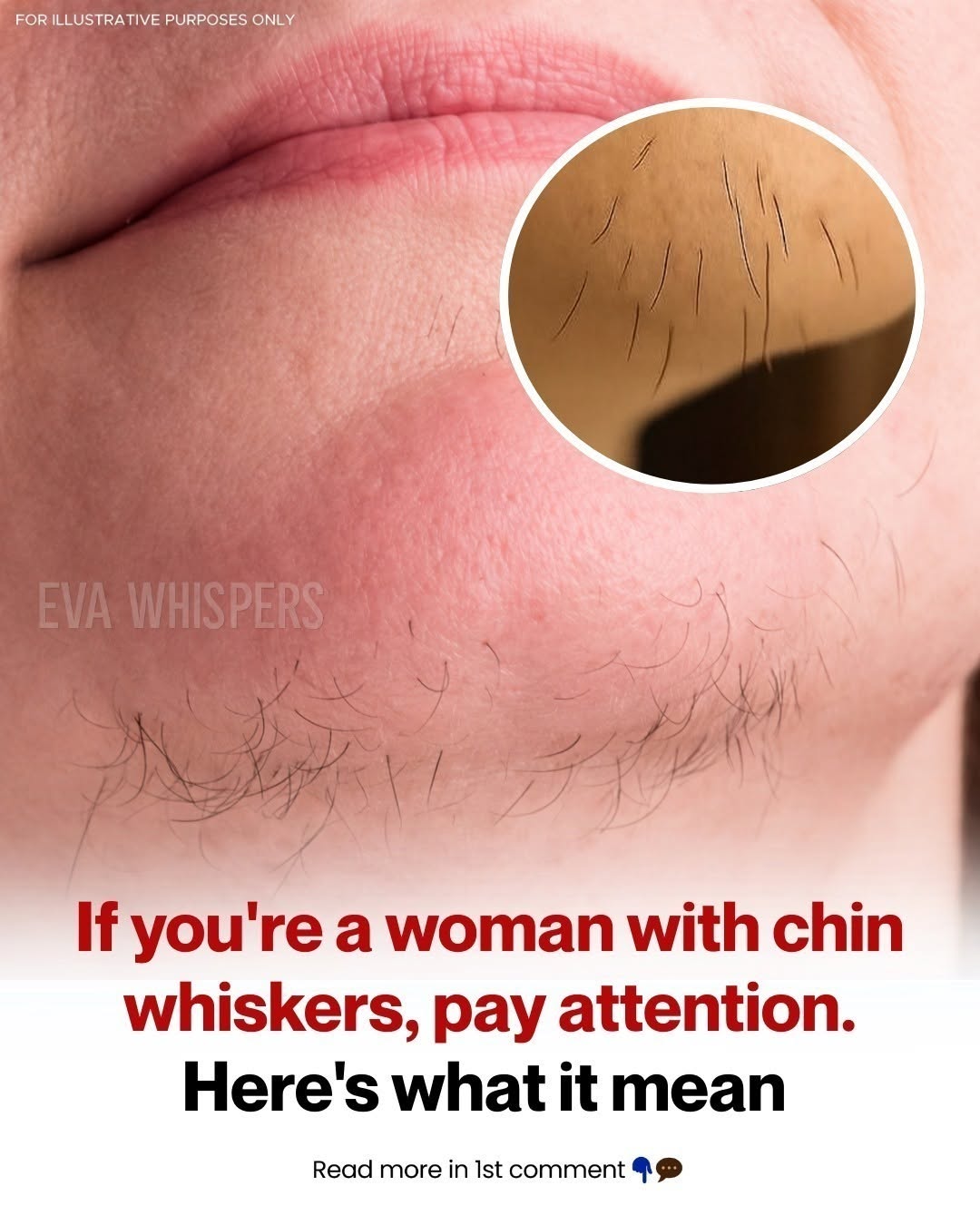
Chin Whiskers on Women: Why They Happen and What Your Body Is Trying to Tell You