The Real Secret: Take It With Dietary Fat
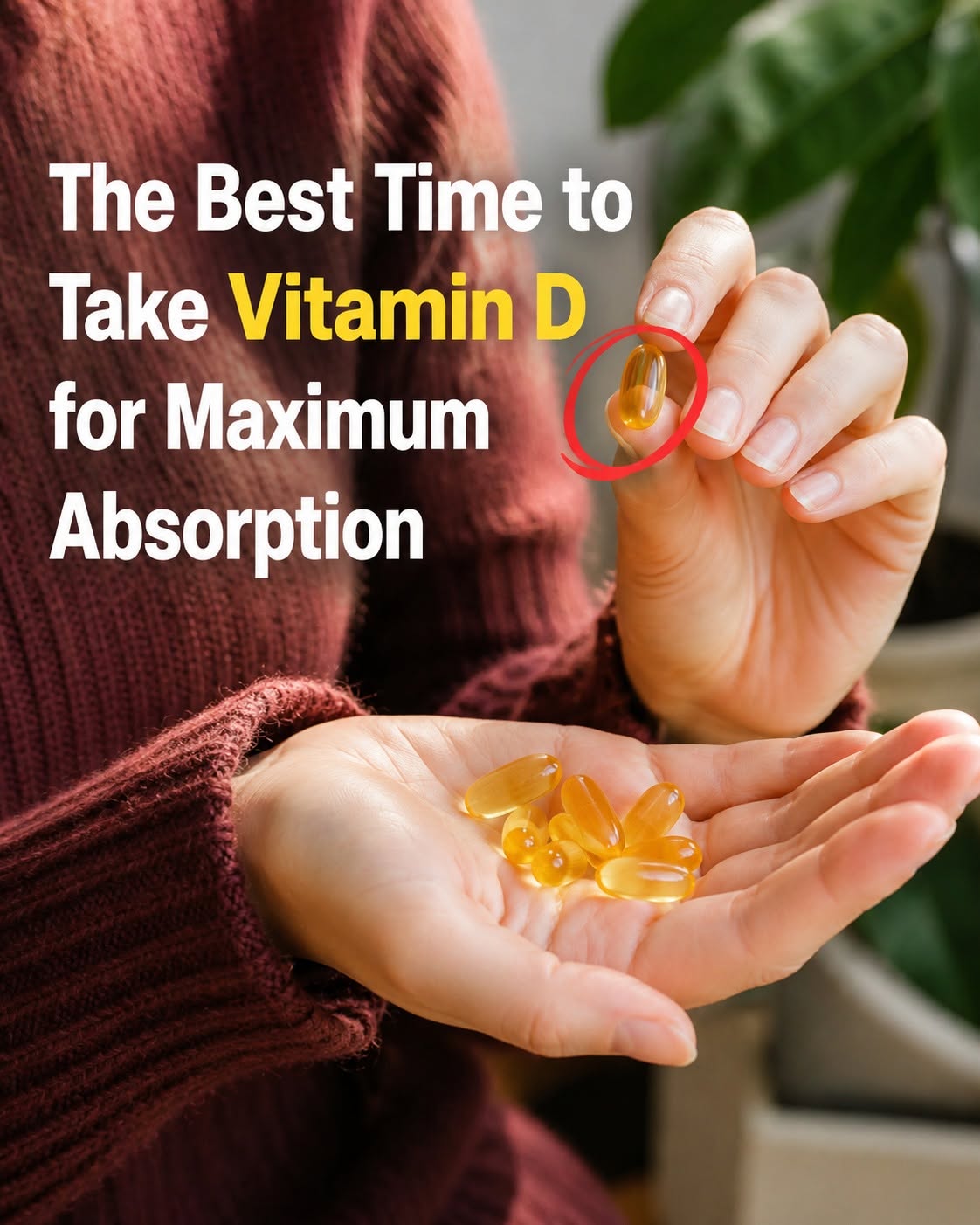
Vitamin D is fat-soluble. That means it dissolves in fat and travels with it during digestion. When you take your supplement with a meal that contains some healthy fat, absorption improves noticeably. Research on fat-soluble vitamins shows this pairing can make a real difference compared with taking it completely alone.
But that’s not all. The type of fat doesn’t have to be complicated. Monounsaturated and polyunsaturated fats both work well. You don’t need a special “vitamin D meal” — just include your supplement with foods you already enjoy.
Here are some easy, everyday options that pair beautifully with vitamin D:
Avocado on whole-grain toast with a drizzle of olive oil
Salmon or sardines with a side of vegetables cooked in olive oil
Scrambled eggs made with a little butter or cheese
A handful of almonds or walnuts alongside your supplement
Full-fat Greek yogurt topped with a few seeds
A small salad dressed with olive oil and lemon
Any of these can turn an ordinary supplement moment into one that supports better uptake. The goal is simply to avoid taking it completely on an empty stomach day after day.
D3 vs D2: Which Form Works Better?
Not all vitamin D supplements are created equal. Vitamin D3 (cholecalciferol) generally raises blood levels more effectively than D2 (ergocalciferol). Studies comparing the two forms show D3 performs better at increasing and maintaining healthy vitamin D status over time.
Form Source How Well It Raises Levels Best For
Vitamin D3 Animal-based or synthesized More effective Most people, especially those over 60
Vitamin D2 Plant-based Less effective Those following strict vegan diets
If you’re choosing a new supplement, D3 is usually the smarter default unless you have specific dietary restrictions. Always check the label and speak with your healthcare provider about the right amount for your situation.