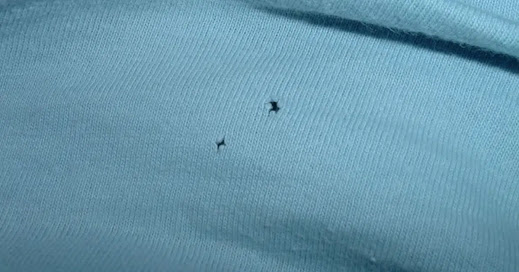
Step-by-Step Guide to Laundry That Loves Your Clothes
Let’s walk through a simple, methodical routine to transform your laundry day from a wardrobe-destroying chore into a gentle, restorative process.
Step 1: The Pre-Wash Patrol Before anything goes into the washer, do a quick sweep. Zip up every single zipper, fasten all bra hooks, and tie any drawstrings. It may seem insignificant, but an open metal zipper acts like a tiny cheese grater, snagging and tearing delicate fabrics as it tumbles.
Step 2: The Gentle Sort Resist the urge to stuff the machine to the brim. Overcrowding the washer forces garments to twist, stretch, and rub against each other with intense friction. Leave enough room for the clothes to move freely. Separate heavy items (like jeans and towels) from lightweight knits and delicate fabrics.
Step 3: The Mesh Bag Magic Place your most vulnerable items—lightweight cotton tees, knitted sweaters, and anything with lace or thin straps—into your mesh laundry bags. This simple habit reduces snagging dramatically while still allowing water and detergent to flow freely, giving you the best of both worlds.
Step 4: The Low-and-Slow Dry High heat in the dryer slowly but surely breaks down fibers, especially in cotton shirts and workout clothing. It degrades elastic and makes fabrics brittle, leading to those mysterious holes. Switch your dryer to a "Low" or "Delicate" heat setting. Better yet, hang your shirts to dry or lay sweaters flat on a drying rack.
Pro-Tips, Variations, and "Serving" Ideas for Your Closet
Being a smart, resourceful homemaker doesn’t mean you have to sacrifice convenience. Here are a few of my favorite ways to handle clothing care once the laundry is done:
- The "Fast Fashion" Reality Check: It’s an unfortunate truth that cheaper, mass-produced clothing is often woven with shorter, weaker fibers that lose their integrity after just a few washes. If you notice holes exclusively in certain brands, it’s likely the fabric quality, not your washing machine. Investing in slightly higher-quality, tightly woven basics can save you money in the long run.
- The Cedar Block Variation: Sometimes, tiny holes aren’t from the washer at all—they’re from closet critters! Moths and silverfish love dark, undisturbed spaces. Swap out chemical mothballs for natural cedar blocks or lavender sachets in your drawers and closets to keep pests away gently and beautifully.
- The "Visible Mending" Serving Idea: If a shirt already has a hole, don’t throw it away! Embrace the Japanese art of Sashiko or simple visible mending. A small, colorful embroidered patch over a hole turns a flaw into a unique, artistic statement. It’s a wonderful, resourceful way to honor the garment.
Frequently Asked Questions
How do I know if my washing machine is actually the problem? If you suspect your machine’s drum is torn or damaged, run a quick test. Toss a clean, white, lightweight cloth (like an old pillowcase) into the empty washer and run a short cycle. If the cloth comes out with snags or tears, you likely have a rough spot or burr inside the drum that needs professional attention.
Are bugs really making holes in my clothes? Yes, it’s very possible! Clothes moths and silverfish feed on natural fibers like cotton, wool, and silk. If the holes are tiny, irregular, and found on clothes that have been sitting in a closet or attic for a while, pests are the likely culprit. A good vacuuming of your closet corners and the use of cedar blocks can solve this.
Can I reverse the damage if a shirt is already stretched or thinning? While you can’t magically rebuild broken fibers, you can prevent further damage. Stop putting that specific garment in the dryer, hand-wash it gently, and consider using a fabric shaver to remove pills, which can make the fabric look and feel newer.
A Final Thought
It is so easy to feel frustrated when our favorite clothes start to wear out, but I truly believe that a little mindfulness goes a long way. Taking an extra minute to zip a zipper or toss a shirt into a mesh bag is a small, powerful choice. It’s a way of honoring the resources we have, respecting the craftsmanship of our clothing, and practicing the kind of gentle, everyday care that my grandmother would be proud of.
You don’t have to be a laundry expert to make a difference. By adopting just one or two of these simple habits, you can keep your wardrobe looking fresh, feeling soft, and hole-free for years to come.
Have you ever solved a mystery about why your clothes were getting damaged? Or do you have a favorite, resourceful trick for making your favorite garments last longer? Drop a comment below and share your wisdom—I would absolutely love to read your tips and learn from your experiences. And if you know a friend or family member who is constantly battling laundry-day holes, please share this article with them. Here’s to fresh clothes, calm routines, and many more comfortable days ahead!


 imunify-bot-check