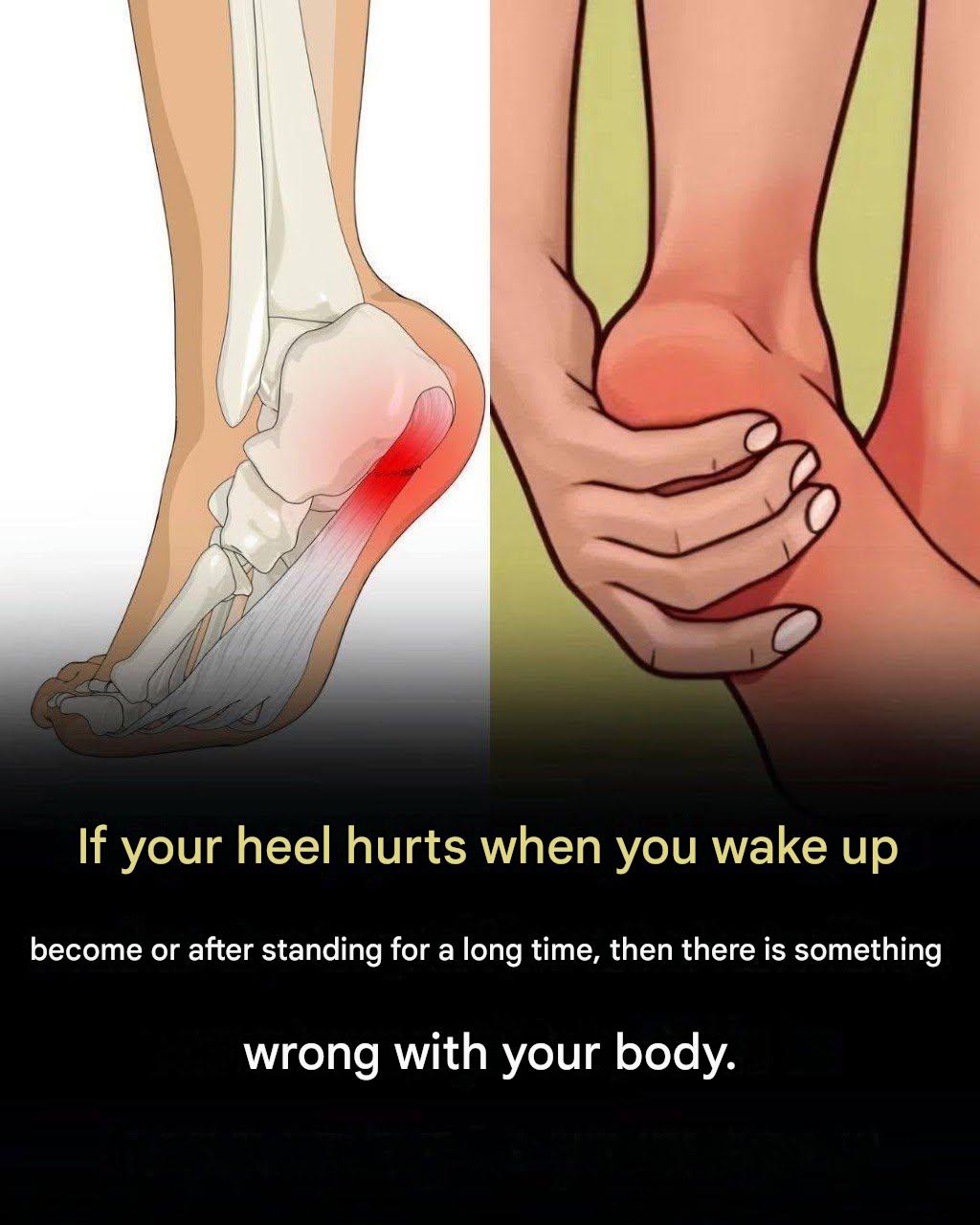
That sharp, stabbing pain in your heel with the first steps in the morning? The pain that persists after standing for a long time? If this sounds familiar, you may be suffering from plantar fasciitis – one of the most common causes of heel pain.
The good news? In most cases, simple, consistent exercises can make a big difference. Here are seven effective exercises that can relieve heel pain and treat plantar fasciitis naturally.
No advanced equipment. No expensive treatments. Just movement that heals.
First, what is plantar fasciitis?
The plantar fascia is a thick band of connective tissue that runs along the bottom of your foot and connects your heel bone to your toes. It supports your arch and acts as a shock absorber while walking.
When this tissue becomes inflamed—due to overuse, tight calf muscles, poor footwear, or a sudden increase in activity—plantar fasciitis develops. The result is stabbing heel pain, especially during the first steps in the morning.
Before you begin: important tips
Be consistent. These exercises work best if you do them daily.
Do not continue with pain. Mild discomfort is acceptable; you must stop if the pain is severe.
Start by warming up. Gentle walking or a warm foot bath can help.
Stretch both sides. Even if only one foot hurts, stretch both feet.
Exercise 1: Calf stretch (The essential first step)
Stretched calf muscles contribute significantly to heel spurs. It is essential to stretch them.
How do you do that?
Stand facing a wall and place your hands against the wall at eye level.
Step one foot back, keeping that leg straight and the heel flat on the ground.
Bend your front knee.
Lean towards the wall until you feel a stretch in your posterior calf muscle.
Hold this for 30 seconds.
Repeat this 3 times per leg.
Tip: Do this exercise first thing in the morning and several times a day.
Exercise 2: Stretching the plantar fascia (toe pulling).
This targets the tight fascia on the bottom of your foot directly.
How do you do that?
Sit down with your affected leg crossed over your other knee.
Grasp your toes and gently pull them towards your shin.
You should feel a stretch in the arch of your foot.
Hold this for 15-20 seconds.
Repeat this 3 times.
Morning bonus: Do this before getting out of bed to reduce initial pain.
Exercise 3: Rolling stretch (tennis ball or frozen water bottle)
This massage technique helps loosen tense tissues and improve blood circulation.