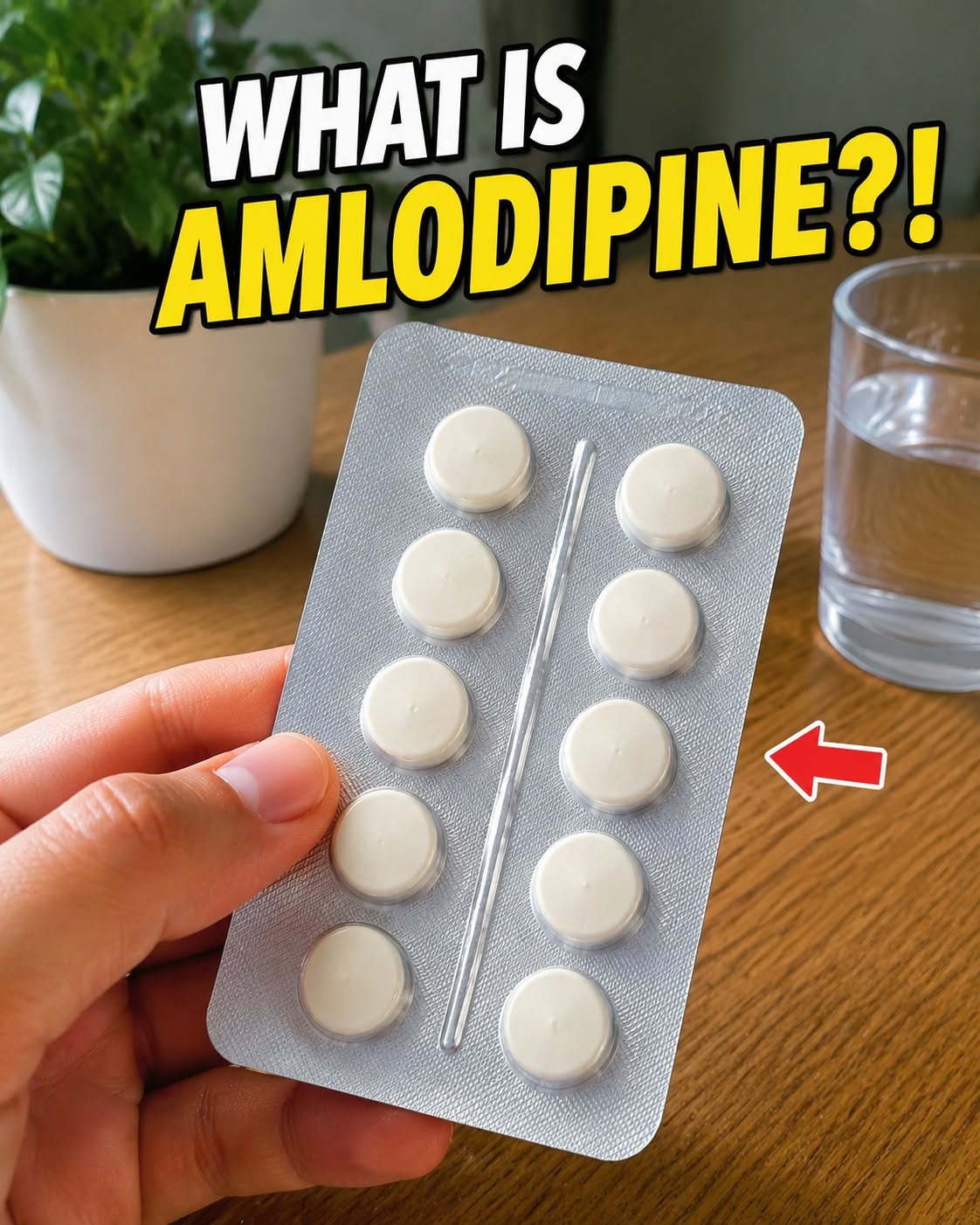
If you’re one of the millions of people prescribed amlodipine to help manage your blood pressure, you probably already know it’s a daily commitment. But what many don’t realize is that certain everyday habits can quietly work against the medication — either by lowering how well it works or by making side effects like dizziness, swelling, or flushing feel worse.
The good news? Small changes in your daily routine can make a real difference in how you feel while staying on track with your treatment. In this guide, we’ll walk through eight common habits worth rethinking this year, backed by what medical experts and patient information resources commonly share. You’ll discover practical ways to support your medication instead of fighting against it.
Why These Habits Matter More Than You Think
Amlodipine is a calcium channel blocker that relaxes blood vessels to help lower blood pressure and ease chest pain. When lifestyle factors interfere, you might notice more fatigue, ankle swelling, headaches, or less stable readings. The habits below can amplify side effects or reduce consistency. Let’s break them down one by one so you can start making smarter choices today.
1. Eating Grapefruit or Drinking Grapefruit Juice
This is one of the most well-known interactions with amlodipine. Grapefruit contains compounds that can slow down how your body processes the medication, leading to higher levels in your bloodstream.
Why stop? It may increase the risk of side effects such as dizziness, flushing, headaches, or swelling.
What to do instead: Skip grapefruit products entirely while taking amlodipine. Opt for other fruits like apples, berries, or oranges (in moderation) for your vitamin C fix.
2. Drinking Alcohol Regularly
Many people enjoy a glass of wine or beer in the evening, but alcohol can enhance amlodipine’s blood-pressure-lowering effect, making you feel dizzy, sleepy, or lightheaded.
Why stop (or cut back)? It raises the chance of falls, headaches, and feeling unsteady — especially when you first start the medication or after a dose increase.
Actionable tip: Limit alcohol or avoid it if you notice increased side effects. Talk to your doctor about what’s safe for your situation.