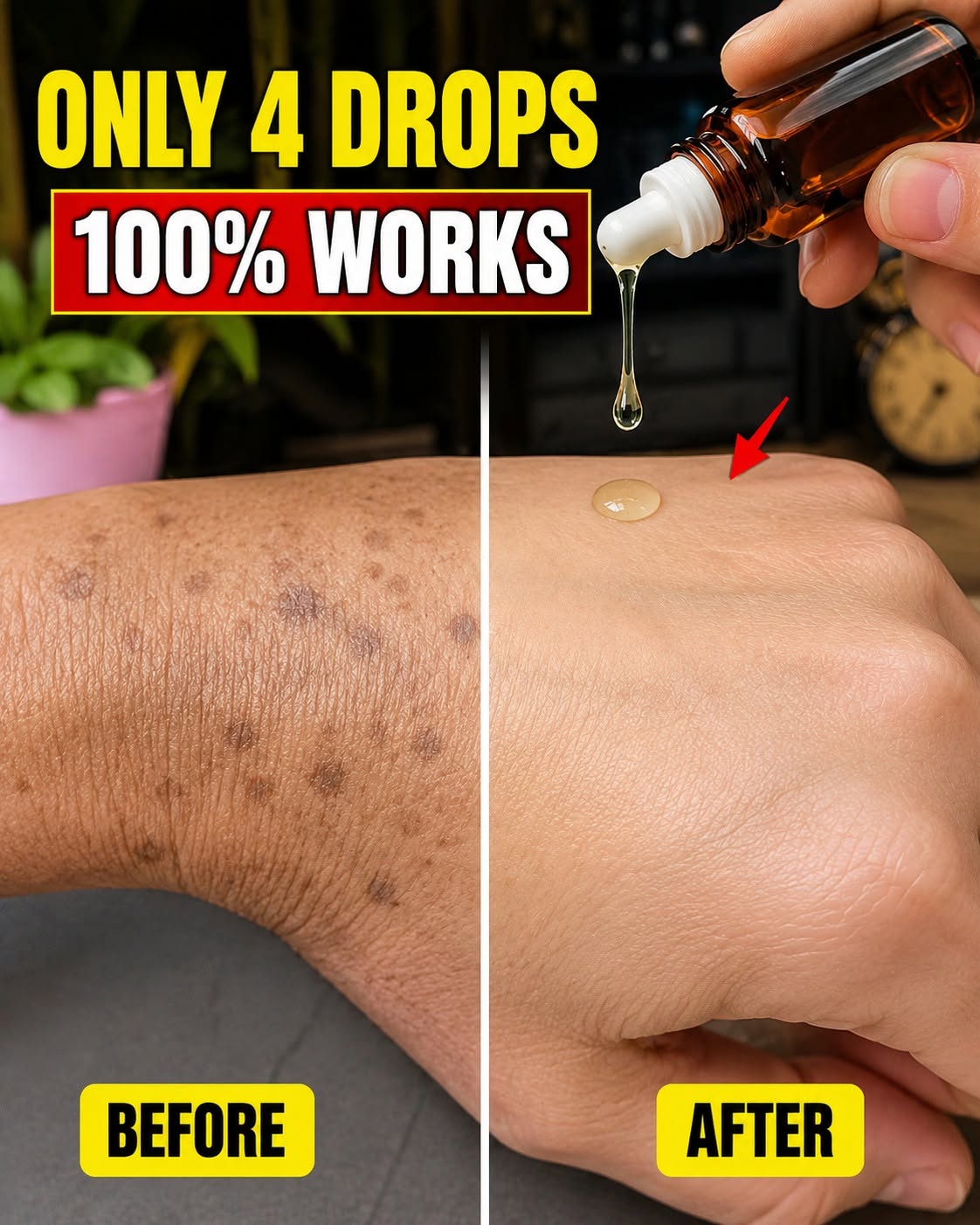
You finish another busy day and head to the sink for that final hand wash before bed. As the water runs, you notice how rough and dry the skin feels, and those dark spots on the backs of your hands seem more prominent under the light. It is a common moment of quiet frustration for many people — hands that have worked hard through decades of daily tasks, yet they often end up looking older and more weathered than the rest of the skin. The frequent washing, sun exposure during outdoor activities or driving, and lack of consistent care add up, leaving skin tight, flaky, and uneven. What makes it more discouraging is trying different lotions only to see the dryness return by morning. But here is the encouraging part: your skin naturally goes into a deeper repair mode while you sleep, and dedicating just a few focused minutes each night to support that process can make a meaningful difference in how comfortable and smooth your hands feel and look over time. The key lies in understanding the right steps and why the timing matters so much — something we will explore together in the sections ahead.
Why Hands Often Show Aging Signs Sooner Than the Face
Hands face a unique set of daily challenges that the face simply does not encounter at the same intensity. The skin on the backs of the hands is thinner in many areas and contains fewer oil-producing glands, which means it loses moisture more quickly. Every time you wash dishes, clean surfaces, garden, or even type, you expose the skin to water, detergents, friction, and sometimes harsh chemicals that gradually weaken the protective barrier.
Sun exposure adds another layer. Hands receive significant ultraviolet light during everyday activities, yet most people apply sunscreen only to their face and neck. Over the years this cumulative exposure contributes to the formation of dark spots, often called age spots or solar lentigines, and breaks down the collagen that keeps skin firm. Research on skin physiology shows that areas with high sun exposure and frequent washing tend to develop visible signs of aging earlier than protected areas.
Unlike the face, hands rarely receive daily targeted care. There is no makeup, no dedicated morning or evening ritual, and no habit of reapplying moisturizer after every wash. The result is a gradual but noticeable difference in texture and tone that can make hands appear older than the rest of the body. The good news is that once you understand these factors, you can work with your skin’s natural rhythms instead of against them.