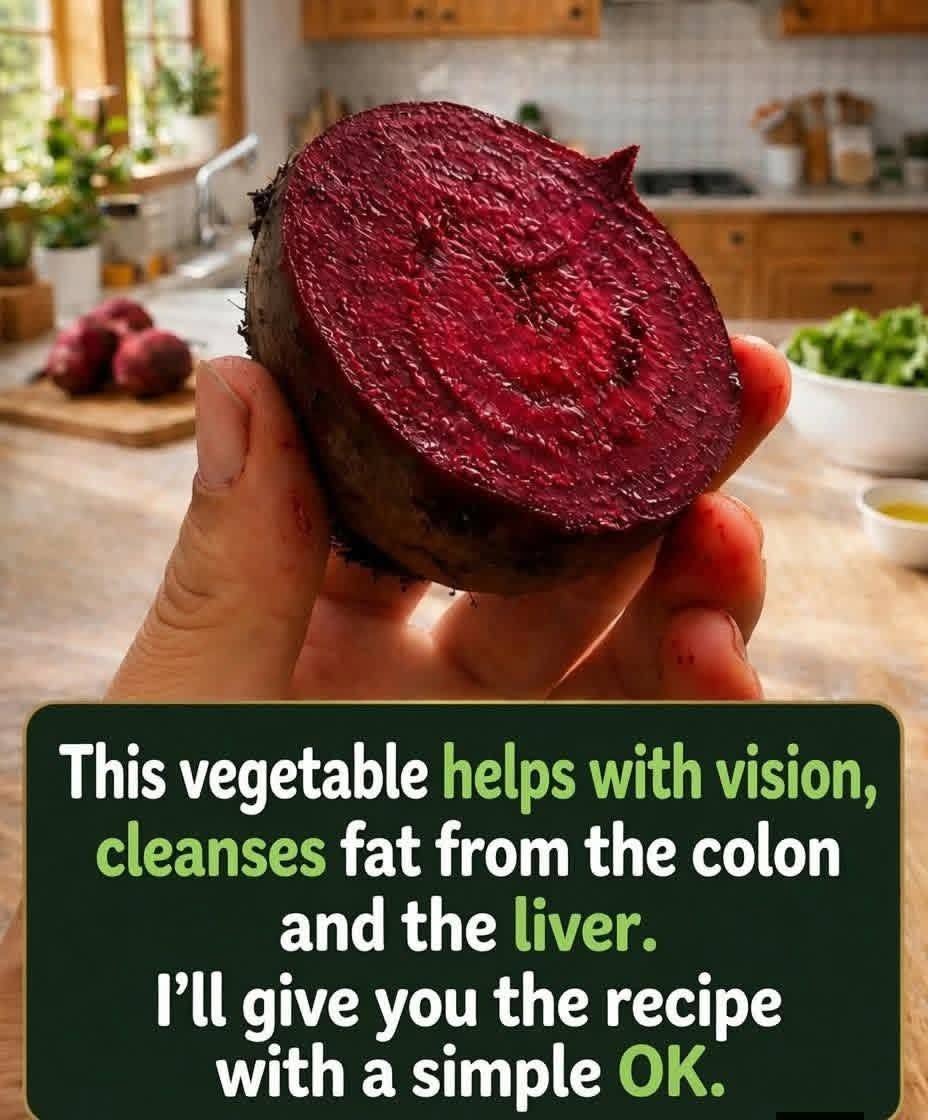
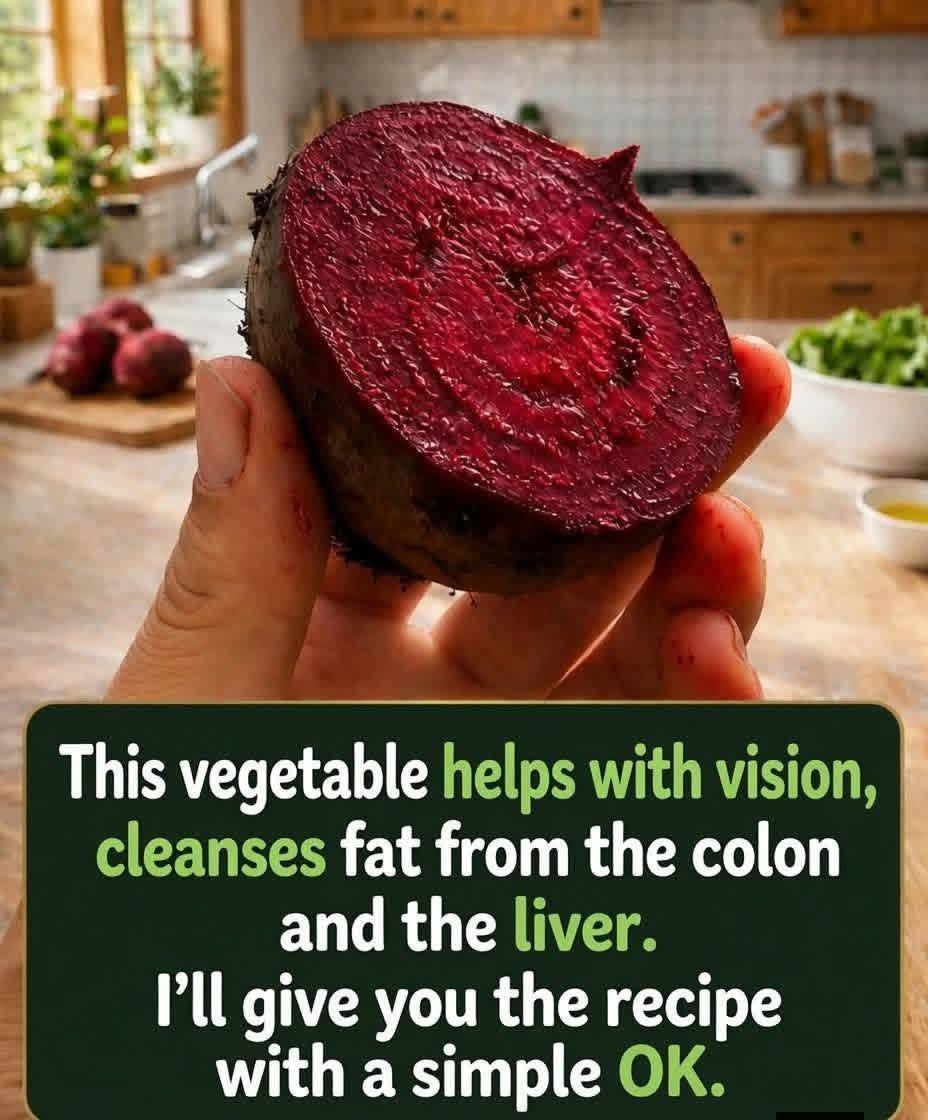
 Beetroot (Beta vulgaris), also known simply as beet, is a vibrant root vegetable valued for its deep red color, earthy flavor, and impressive nutritional profile. For centuries, beetroot has been consumed in various cultures as both a food and a traditional wellness ingredient.
Contents
Today, beetroot is recognized as a nutrient-dense vegetable rich in vitamins, minerals, antioxidants, and plant compounds that may support overall health when included as part of a balanced diet.
What Is Beetroot?
Beetroot is the edible taproot of the beet plant, belonging to the Amaranthaceae family. It can be enjoyed in many forms, including:
- Raw
- Cooked
- Roasted
- Pickled
- Juiced
- Blended into smoothies
Its naturally sweet taste and versatility make it a popular ingredient in healthy recipes worldwide.
Nutritional Value of Beetroot
Beetroot provides a variety of important nutrients, including:
- Folate (Vitamin B9)
- Potassium
- Vitamin C
- Iron
- Magnesium
- Manganese
- Dietary fiber
- Natural nitrates
- Antioxidants
One of beetroot’s most distinctive features is its high concentration of betalains, pigments responsible for its rich red-purple color.
Health Benefits of Beetroot
1. Rich in Antioxidants
Beetroot contains betalains and other antioxidants that help protect cells from oxidative stress caused by free radicals.
A diet rich in antioxidant-containing foods may contribute to long-term health and support healthy aging.
2. Supports Heart Health
Beetroot naturally contains dietary nitrates, compounds that the body can convert into nitric oxide.
Nitric oxide helps support normal blood vessel function and healthy circulation, making beetroot a popular food among individuals focused on cardiovascular wellness.