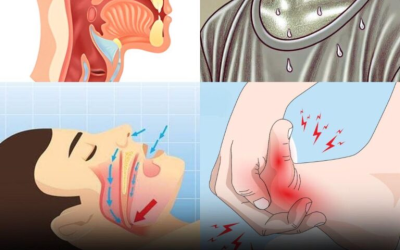
The origins of leg cramps at night
A lack of hydration
If you don't drink enough water during the day, your body can become dehydrated. This disrupts the balance of electrolytes—such as potassium, magnesium, and calcium—which are essential for proper muscle function. As a result, your muscle fibers become more prone to involuntary contractions.
Essential mineral deficiencies
A deficiency in magnesium, calcium, or potassium is a common trigger for cramps. These nutrients allow muscles to contract and relax properly. Without them, this cycle is disrupted.
Slowed blood circulation
Sitting or lying down for extended periods without moving slows circulation, especially in the legs. Deprived of sufficient oxygen, muscles become more vulnerable to spasms during rest periods.
Accumulated muscle fatigue
After a busy day – intense exercise, long walks, or prolonged standing – your muscles may react by involuntarily contracting once night falls. It's a kind of muscle memory that reminds you of its presence.
The sleeping position
Sleeping with your feet pointed downwards (toes extended) shortens the calf muscles. This position promotes cramps because it keeps the muscle in a posture that predisposes it to contraction.
Certain medical conditions
Pregnancy, diabetes, thyroid disorders, or nervous system problems can increase the frequency of nighttime cramps. These conditions alter the body's internal balance.