4. The role of diabetic neuropathy
Nerve damage, also known as diabetic neuropathy, can also occur in people with diabetes. This condition reduces sensation in the feet, making it difficult to feel injuries such as cuts, blisters, or pressure sores.
At the same time, poor blood circulation slows down the healing process. This combination is particularly dangerous, as minor injuries can quickly lead to serious infections if left untreated.
5. Peripheral arterial disease (PAD) and associated risks
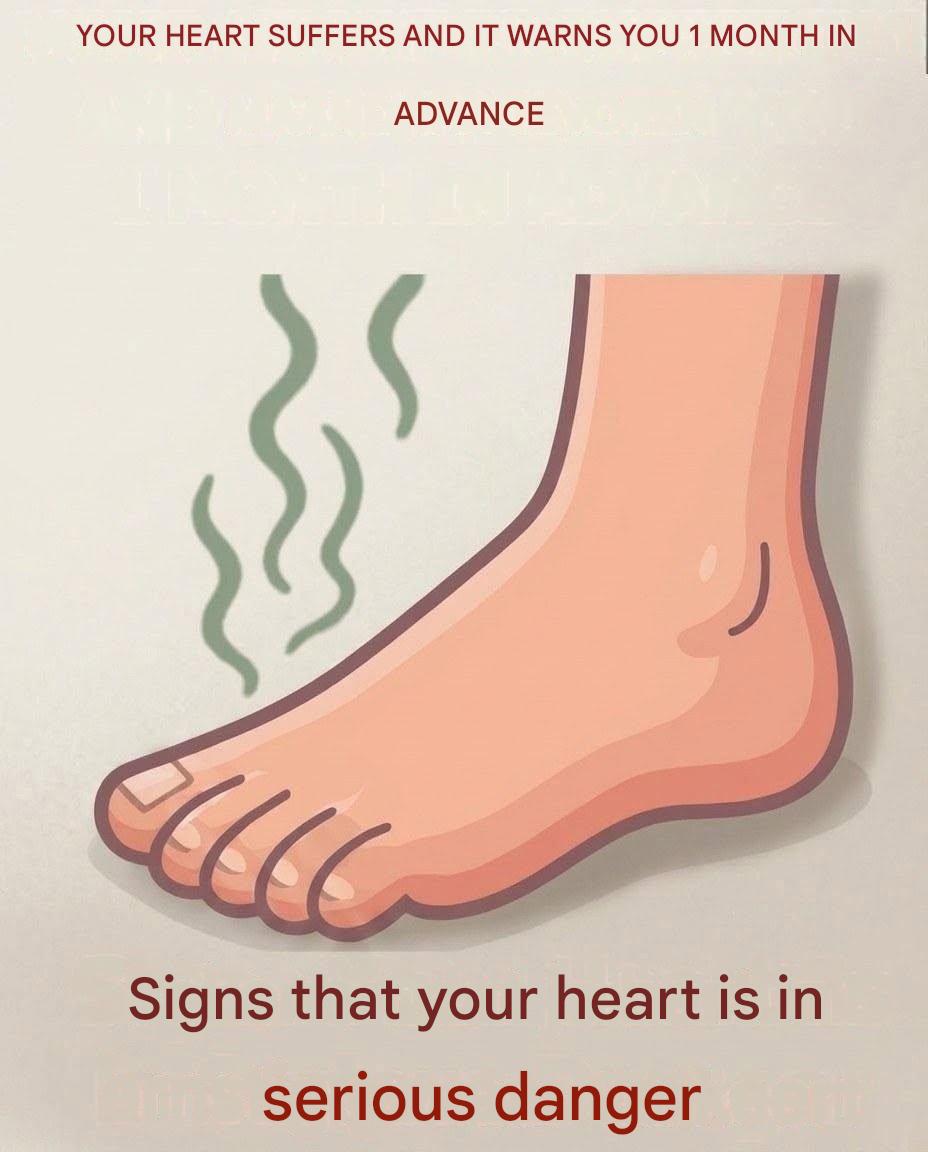
Peripheral arterial disease (PAD) is another condition often associated with both diabetes and heart disease. It occurs when narrowed arteries reduce blood flow to the extremities, particularly the legs and feet.
Typical symptoms include:
- Pain in the legs during movement
- Wounds that heal slowly
- Changes in skin texture or color.
PAD is often a warning sign for broader cardiovascular problems, so early detection is essential.
6. Prevention and daily care
The good news is that many risks can be reduced through consistent habits and good precautions. Important preventive measures include:
- Check your feet daily for injuries or changes.
- Maintaining stable blood sugar levels
- Physical exercise promotes blood circulation.
- Avoid smoking
- Controlling cholesterol and blood pressure
Regular medical check-ups also play an important role in early detection and treatment.
7. Conclusion: Why foot health is important
By recognizing early signs and reacting quickly, serious complications can be prevented. Foot health is not just about comfort, but is also essential for the protection of your heart and your entire vascular system.
By being well-informed and proactive, you can take control of your health and reduce the risk of long-term damage.