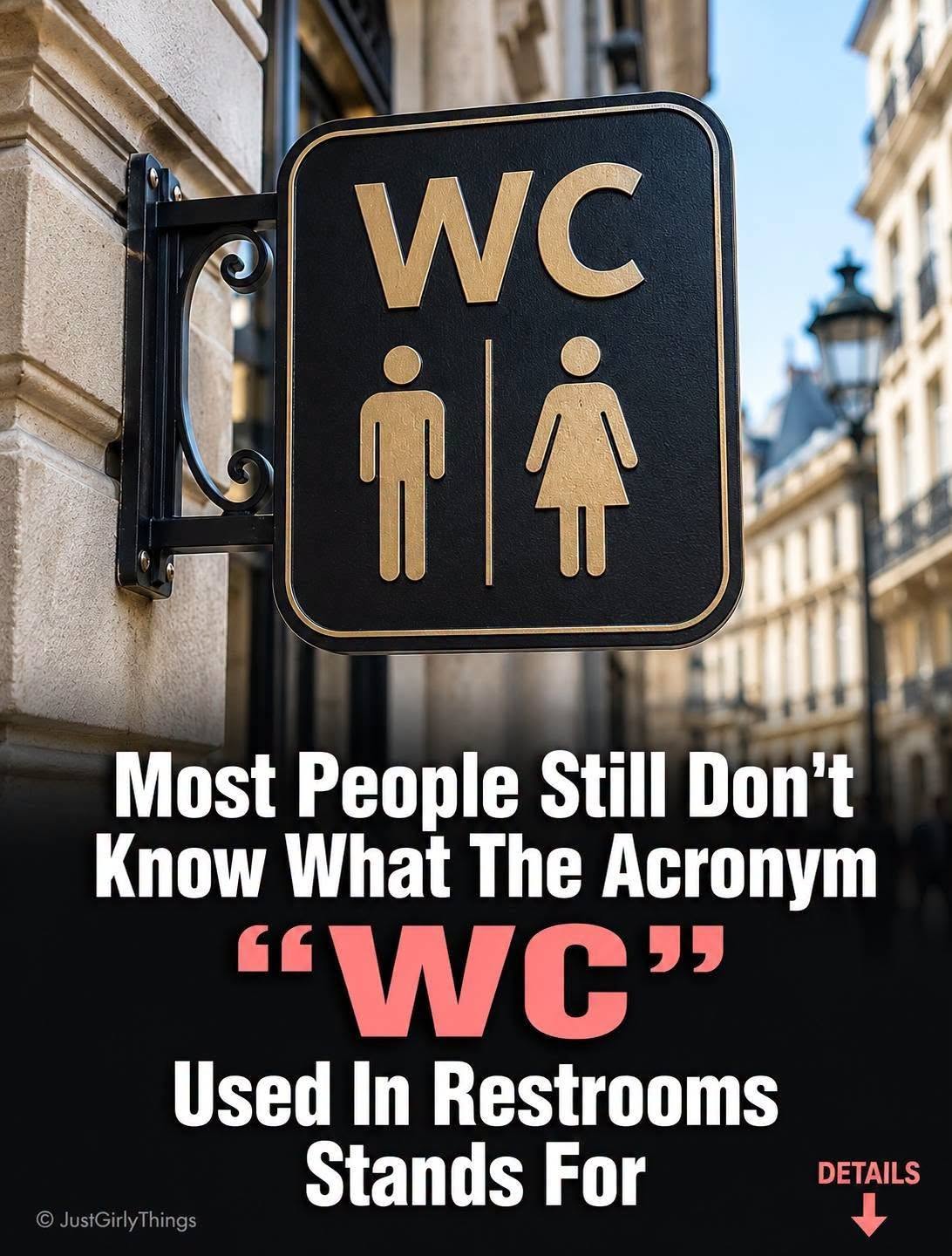
When walking through airports, hotels, or public spaces, you often encounter the simple, cryptic letters: WC. For modern travelers, these letters are a beacon of relief, yet most people have no idea what they stand for. While we now call them restrooms, bathrooms, or comfort stations, the WC has a fascinating history rooted in Victorian innovation.
What Does WC Stand For?
WC stands for Water Closet. In the late 19th century, bringing a toilet indoors was revolutionary and slightly scandalous. Before indoor plumbing, toilets were typically kept outside for sanitation reasons. The term “Water Closet” arose because these small indoor rooms contained the new water-flushing technology—a literal closet with water.
Owning a WC was a status symbol. It showed that you were modern, wealthy, and part of the new era of hygiene and convenience.
Bathroom vs WC
Interestingly, the word “bathroom” is technically misleading. Most public restrooms do not contain baths. “Bathroom” became a polite euphemism, while WC describes the room’s true function. Using the correct signage ensures clarity, especially for international travelers.
Across Europe and Asia, relying on WC signage avoids confusion. No matter your language—English, Mandarin, or Swahili—the WC tells you exactly what to expect: a functional toilet with flushing.
Historical Context: From Outdoor Outhouses to Indoor Water Closets
Before indoor plumbing, people used cesspits or chamber pots. Waste removal was manual and hazardous. The WC transformed domestic hygiene: