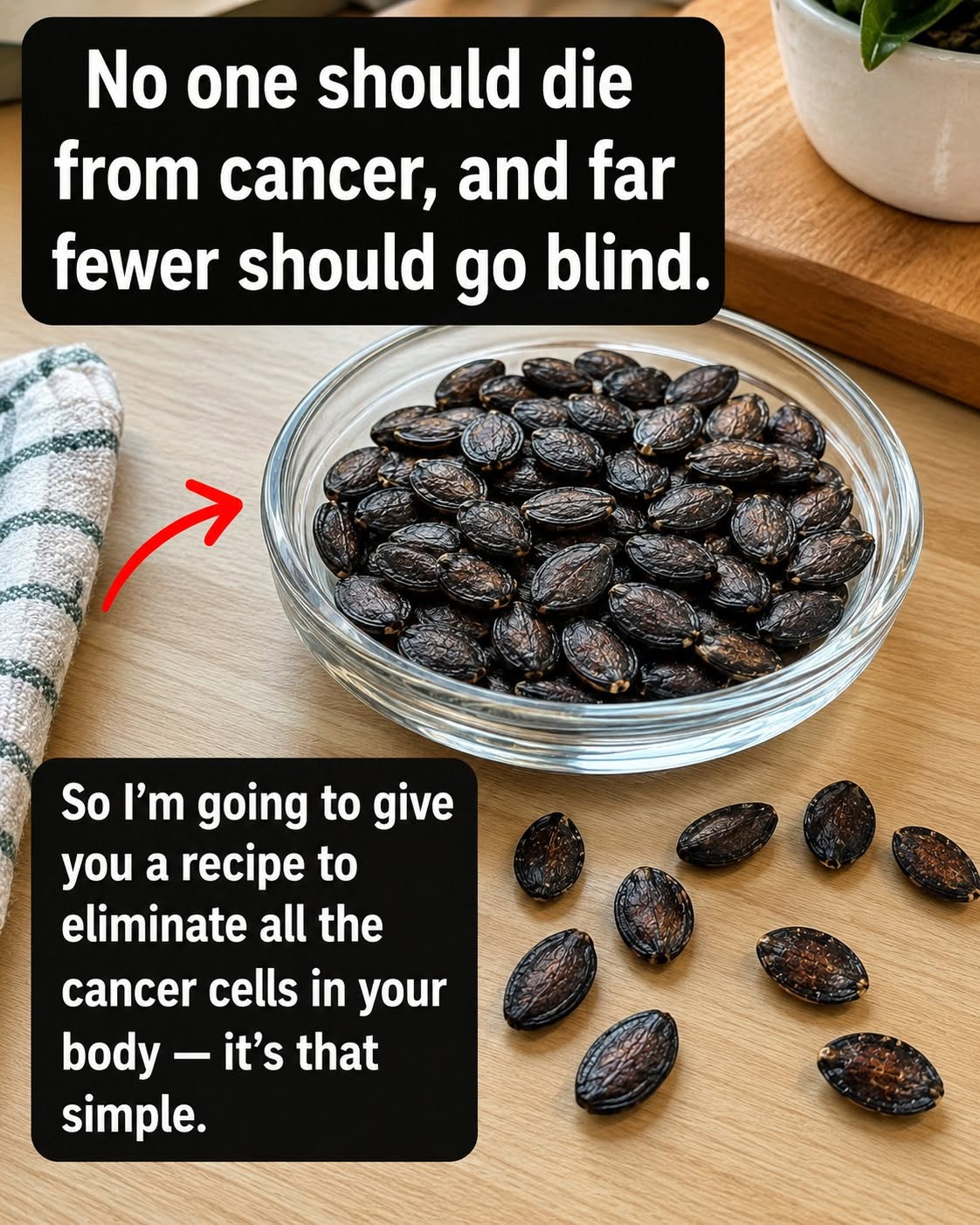
Many people come across online stories suggesting that apple seeds could play a role in serious health matters such as cancer, which naturally creates a mix of hope, confusion, and worry about what is truly safe to eat. This swirl of conflicting information often leaves readers unsure whether to enjoy the whole fruit or carefully remove every seed to avoid potential harm. Apple seeds contain a natural compound that behaves in specific ways once the protective coating is broken. The real story of what apple seeds actually trigger offers clear, practical insights that can help you feel more confident about your next apple.
🍎 What Apple Seeds Actually Contain
Apple seeds sit quietly inside the core of the fruit most people enjoy every day. Each small seed holds a compound called amygdalin, a natural substance also found in the seeds of apricots, peaches, and some other fruits. When apple seeds remain whole, the hard outer shell keeps the compound locked away and limits any interaction with the body. Apple seeds pass through the digestive system largely unchanged in small accidental amounts because the coating resists breakdown.
The situation changes only when apple seeds are chewed, crushed, or ground into a fine consistency. At that point the amygdalin can come into contact with enzymes and acids in the digestive tract. This interaction is what allows a very small release of hydrogen cyanide, a compound the body can handle in tiny quantities but finds overwhelming in larger intentional doses. Understanding this basic mechanism removes much of the mystery surrounding apple seeds.
The Story Behind Cancer Claims Involving Apple Seeds
Decades ago, some alternative health circles promoted the idea that a purified form of amygdalin, sometimes called laetrile or vitamin B17, could help the body deal with abnormal cell growth. These claims spread through word of mouth and early publications, often targeting people searching for gentle, natural options during difficult health journeys. The theory suggested that cyanide released from the compound would selectively affect certain cells while leaving healthy tissue unharmed.
Over time the story evolved into broader suggestions that simply eating apple seeds or apricot kernels could deliver similar effects. Many readers felt drawn to these ideas because they promised an accessible, low-cost approach rooted in nature. Yet the original claims never moved beyond laboratory observations and personal stories into reliable human evidence. Apple seeds remained at the center of the conversation because they contain the same compound in a familiar everyday food.